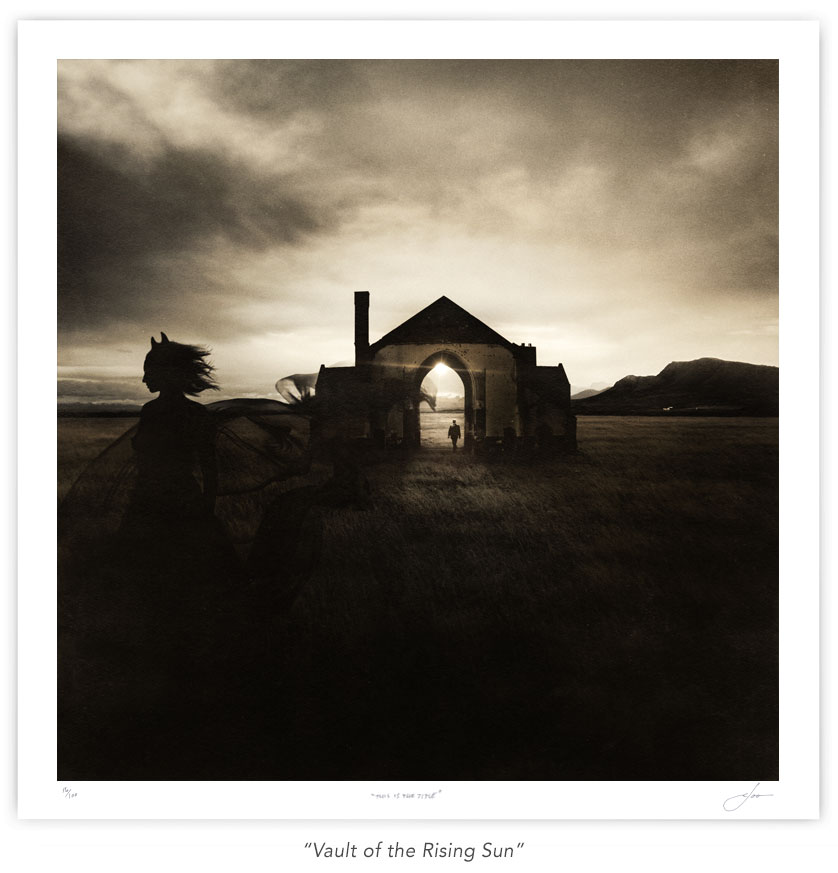

These digital collages blend counterintuitive elements to create unique and surreal images.
NEW ARTWORK:

A critique by Septimus Fench
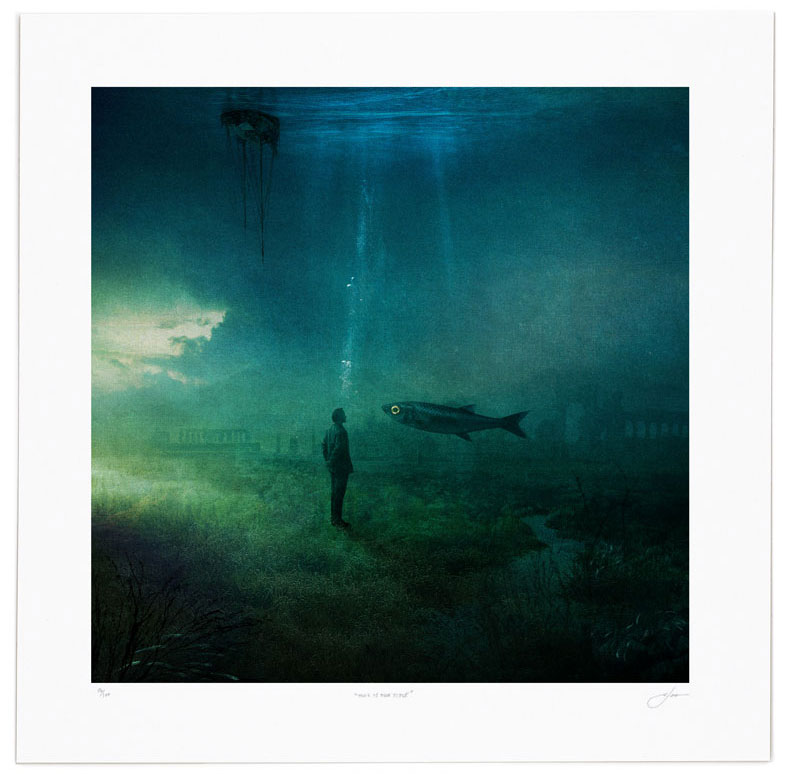
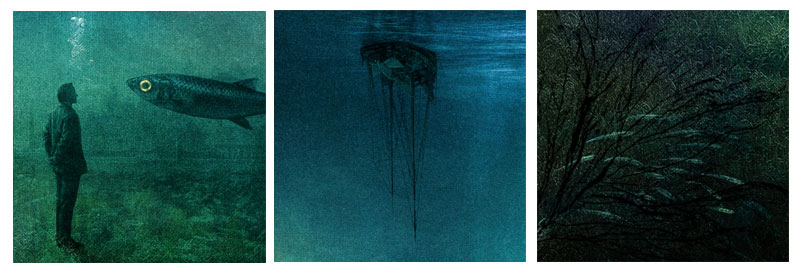
Notice how the human isn’t tangled in debris or struggling for air. He stands calmly, impossibly so. It tells me this isn’t a literal moment after a shipwreck, but a psychological or symbolic one. Perhaps the sailboat represents the collapse of an old worldview.
If so, it is made more poignant by the fish, eyes unblinking, floating with indifference to the man and his circumstances. Whatever his aftermath, it’s irrelevant. And so this fish symbolizes adaptability and persistence. It is not captive to history like people are; it swims, carrying its life forward on terms beyond our human intentions.
NEW ARTWORK:

A critique by Oswalt Sprott
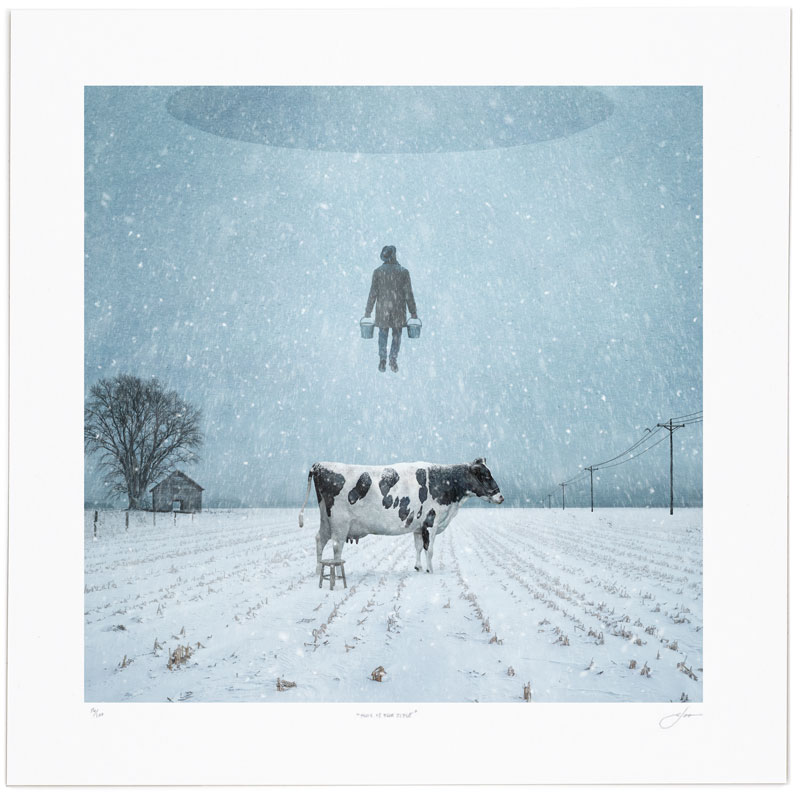
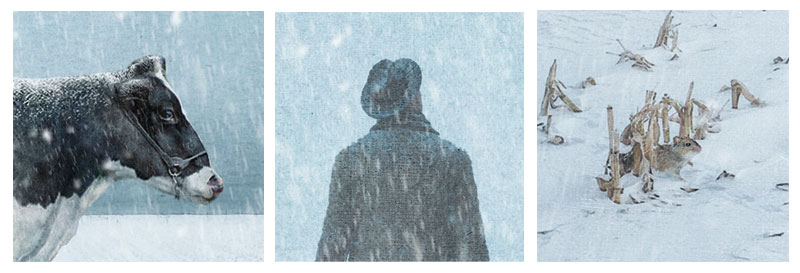
It is absurd… but refuses to acknowledge its absurdity. It does this through a quiet confidence, one that keeps you looking. I like how the cow acts as visual ballast; its indifference grounds the scene and delivers the joke silently. I also like the careful composition and restrained palette. It gives a unique mood and a quiet tension.
Overall, it handles the extraordinary with subtlety, avoiding strong cliches. This works because it is presented with sincerity despite the situation being inherently improbable, a mismatch that creates an appealing irony.
NEW ARTWORK:

A critique by Thaddeus Cole
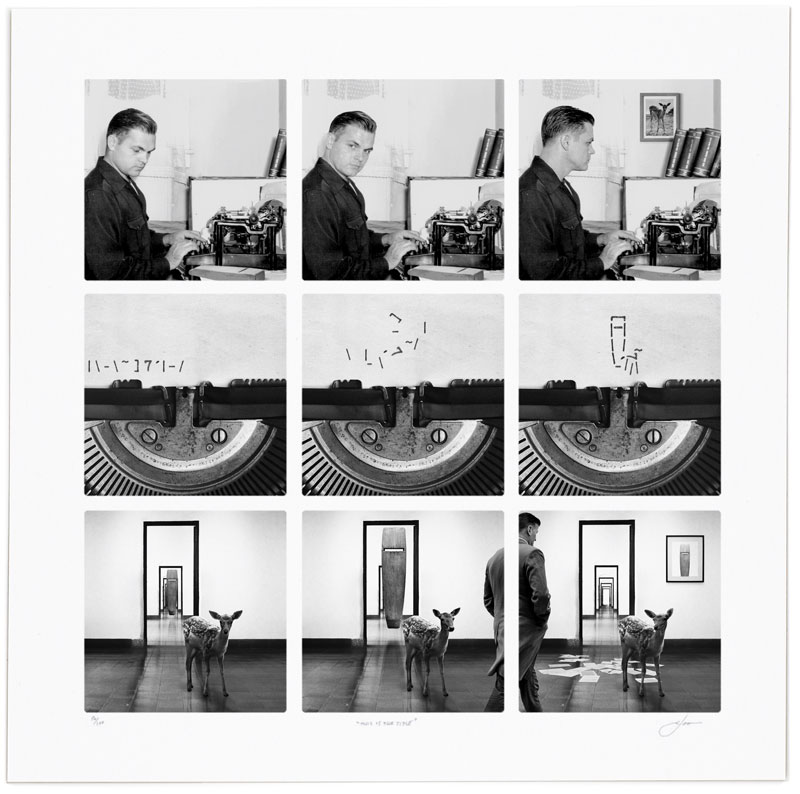
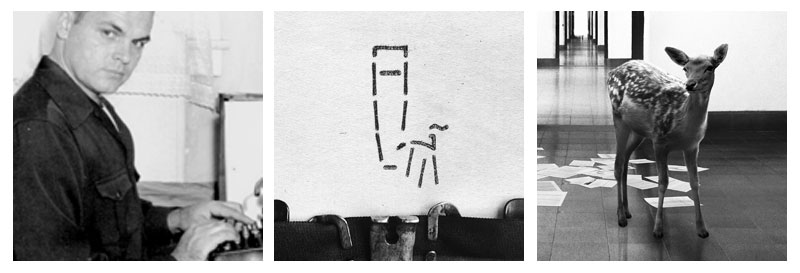
The grid insists on fragmentation, sequence, and progression. The division of space and time. Yet in the final row, the walking man crosses two panels at once. A disruption in the orderliness that the deer reveals is an illusion.
And the deer carries no intention towards this revelation: it simply arrives. It lacks intent, so it doesn’t fail. Its presence refuses to let time and space be cleanly parsed. This was Zeno’s ultimate lesson: to divide endlessly is to describe endlessly. But reality is not bound by description.
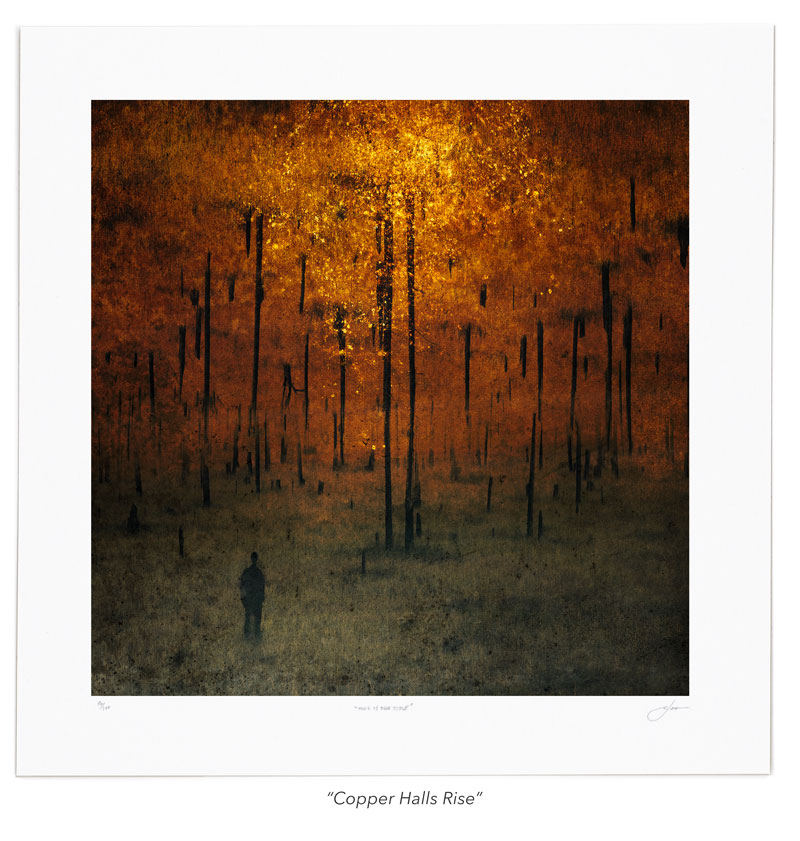
Sensation inspires the intellect to build towers, but underneath both is the foundation of imagination.
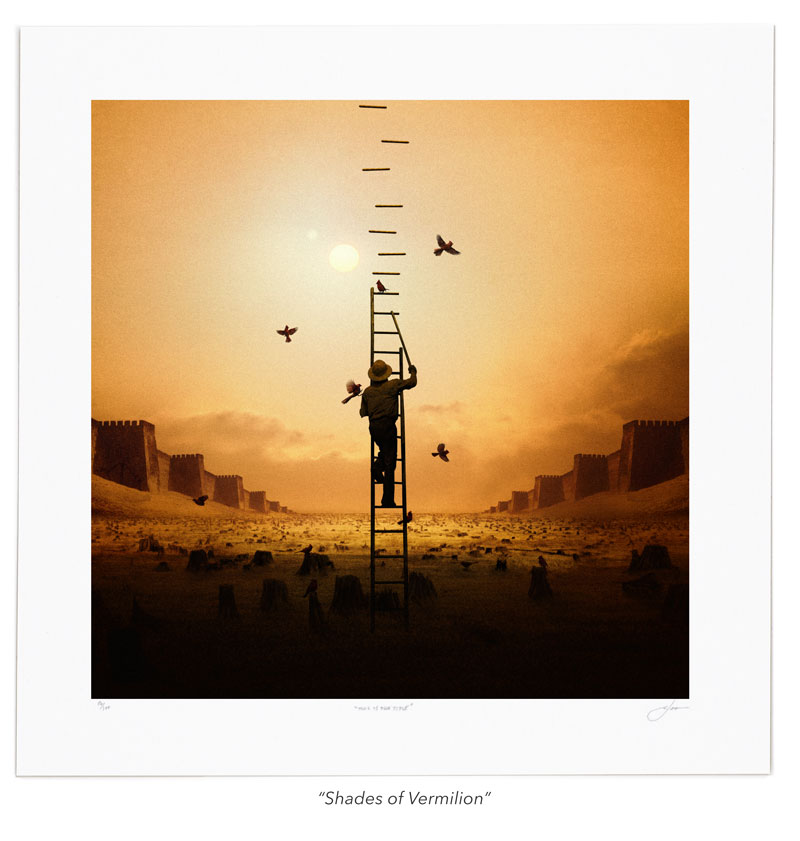

Good art catches the imagination as much as the eye. It tweaks our attention towards a novel awareness, leaving you only to be open to it.