

18 Jan Roots than run deep
From the memoirs of Henry Whitcomb:
An Ontario woodsman remembering William Percival Pyle.

Henry Whitcomb writes:
I knew William well.
We spoke often and had a good friendship. He would invite my family and I over for dinner very often. This is when his wife Margaret was alive.
When he got the bakery going, I became his official pie taster. I was obliged to help, as good neighbours do.
A short while later he asked me to help put a sign on his roof. He offered me free pies for a year: I would’ve done it for a handshake.
As we went left to right, we began to run out of room for all the letters, so it was my idea to put the ‘X’ on the chimney. He loved it. “X marks the spot,” the people would say when they came to the bakery.
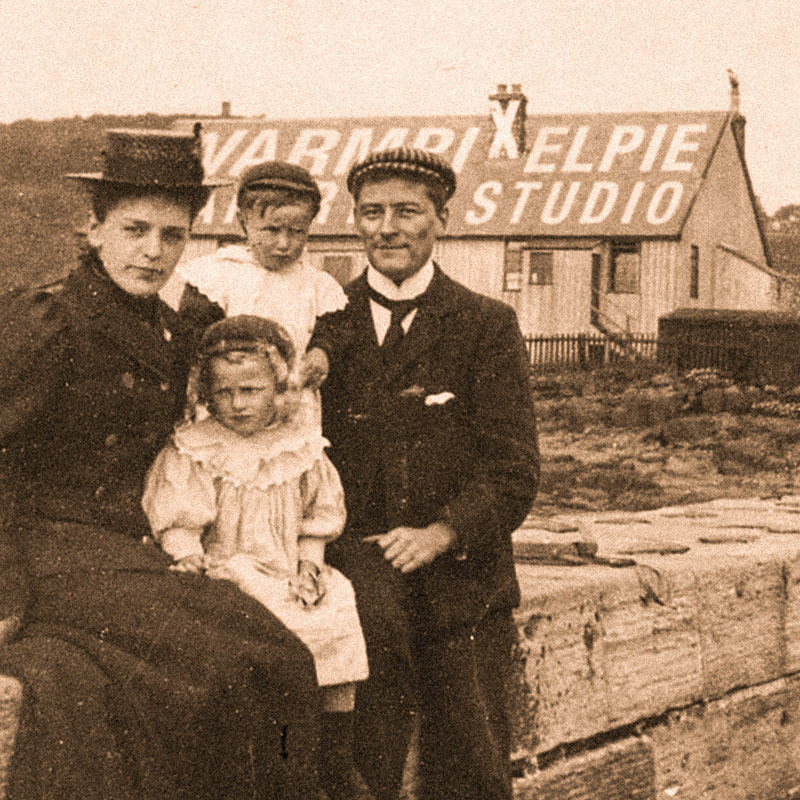

Will and Margaret married young and started the farm right away. They both loved the orchard, especially Margaret in the springtime, when the blossoms came. She would walk the rows, running her hand along the petals and leaves. She believed the orchard had ears and could listen.
Twenty years later, Margaret fell ill, it was sudden. The town doctor came, leaving behind bitter powders that did nothing. William slept in a chair beside the bed, keeping close to check her breathing. On the last night, the moon was full, casting silver streams of light across the floor leading to her bed. Margaret asked William to never sell the farm, no matter what happened.
“Never,” he said.
They gave each other tired smiles, and by morning, she was gone.
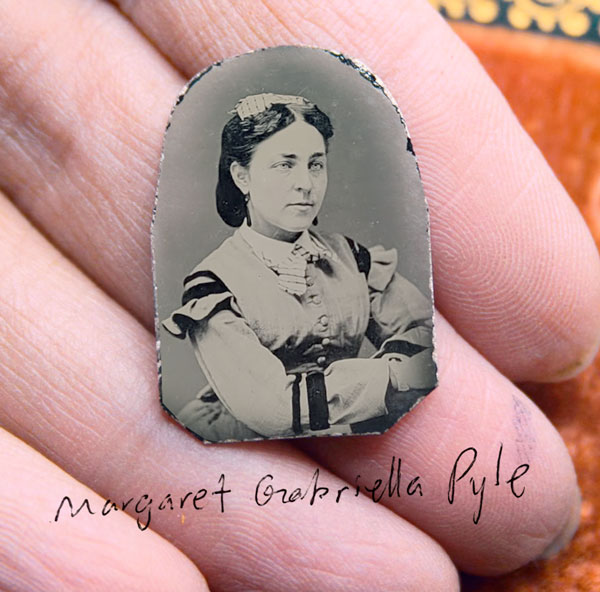
William didn’t want her buried in the Churchyard, among strangers and stones. The orchard is where she belongs. He knew every foot of it. He knew where the earth softened first in spring, where water ran, where roots braided together like enfolded hands.
William dug beneath their oldest apple tree, a gnarled and wise tree planted by his father before him. The work took hours, and he did not stop. When the hole was deep enough, he wrapped Margaret in her quilt, the one she had stitched in winter evenings by lamplight, and lowered her into the ground.
As he worked, he spoke to her. Not prayers, exactly, but the small talk of everyday life: how the buds were swelling early, how the creek had overrun its banks, how he would keep his promise.
When he filled the earth back in, he planted a young sapling at the head of the grave. Tying it upright with twine. When he was done, he stood and recited a poem:
Bud well, bear well,
God send you fare well
Every sprig and every spray,
My heart is heavy
like a bushel
now that you’ve gone away.
The apples were abundant that year. The old tree bent under their weight, more than William remembered in any season before.
Neighbours remarked on the sweetness of his pies. William would just smile. He worked, ate, slept, and each evening walked the rows. Pausing by her grave and to rest his hand against the bark of the old tree.
As years passed, the sapling grew quickly, its branches thick and eager. William had aged, though. He still tended to the farm, the bakery and his photography as he always had, but he was becoming quiet, speaking less to people and more to the trees.
Sometimes, at dusk, he would sit in the orchard, perfectly still for hours listening to the wind, holding a few apple blossoms. He told me he could hear Margaret’s voice in the rustle of leaves, not as words but as a presence, familiar, steady.
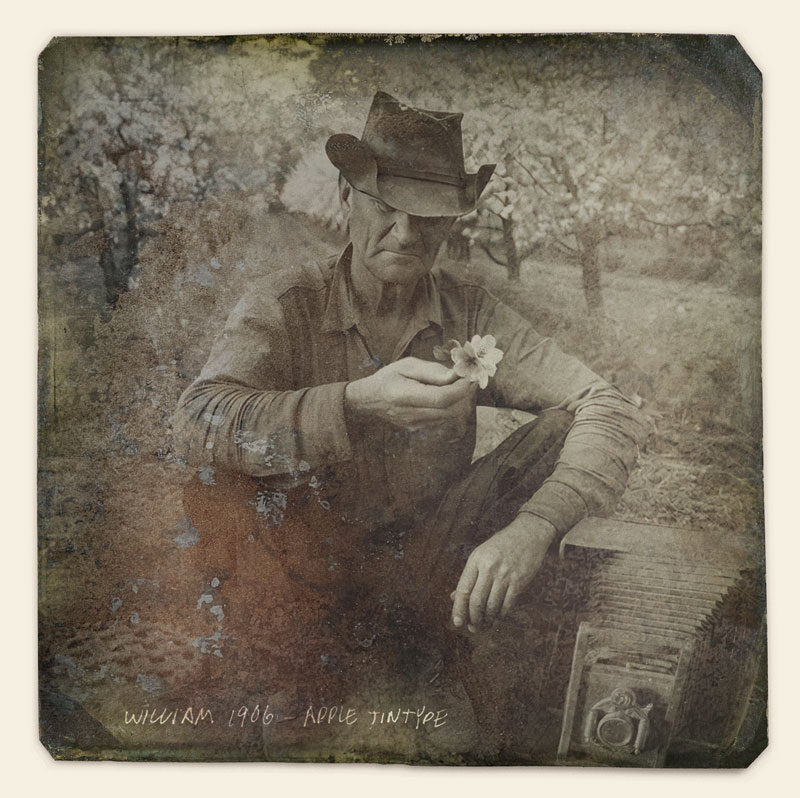
When William died in the barn fire, his remains were buried beside her, under the old tree. A few decades later, the orchard was eventually cleared, the trees cut down to make room for new houses.
They had trouble clearing the land, as I recall. The roots ran thick and tangled beneath the soil, stressing the machines. I watched it all.
Later, apple trees would still grow wildly along the edges of the lots. In the spring, the air would rise with the smell of their blossoms. This was the land helping us to remember them.
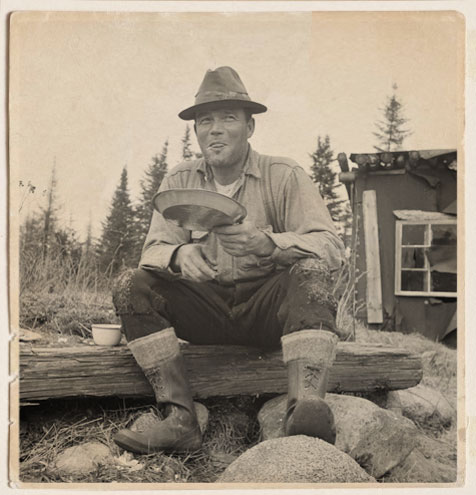
Henry Whitcomb, 1882 – 1957